
From July 25 to August 15, 30 students from seven colleges of Xinjiang Agricultural University participated in the three-week Forestry Summer Institute (FSI) at the University of British Columbia (UBC), Canada. The delegation was led by Adili Shataer, Dean of the College of Forestry and Landscape Architecture.
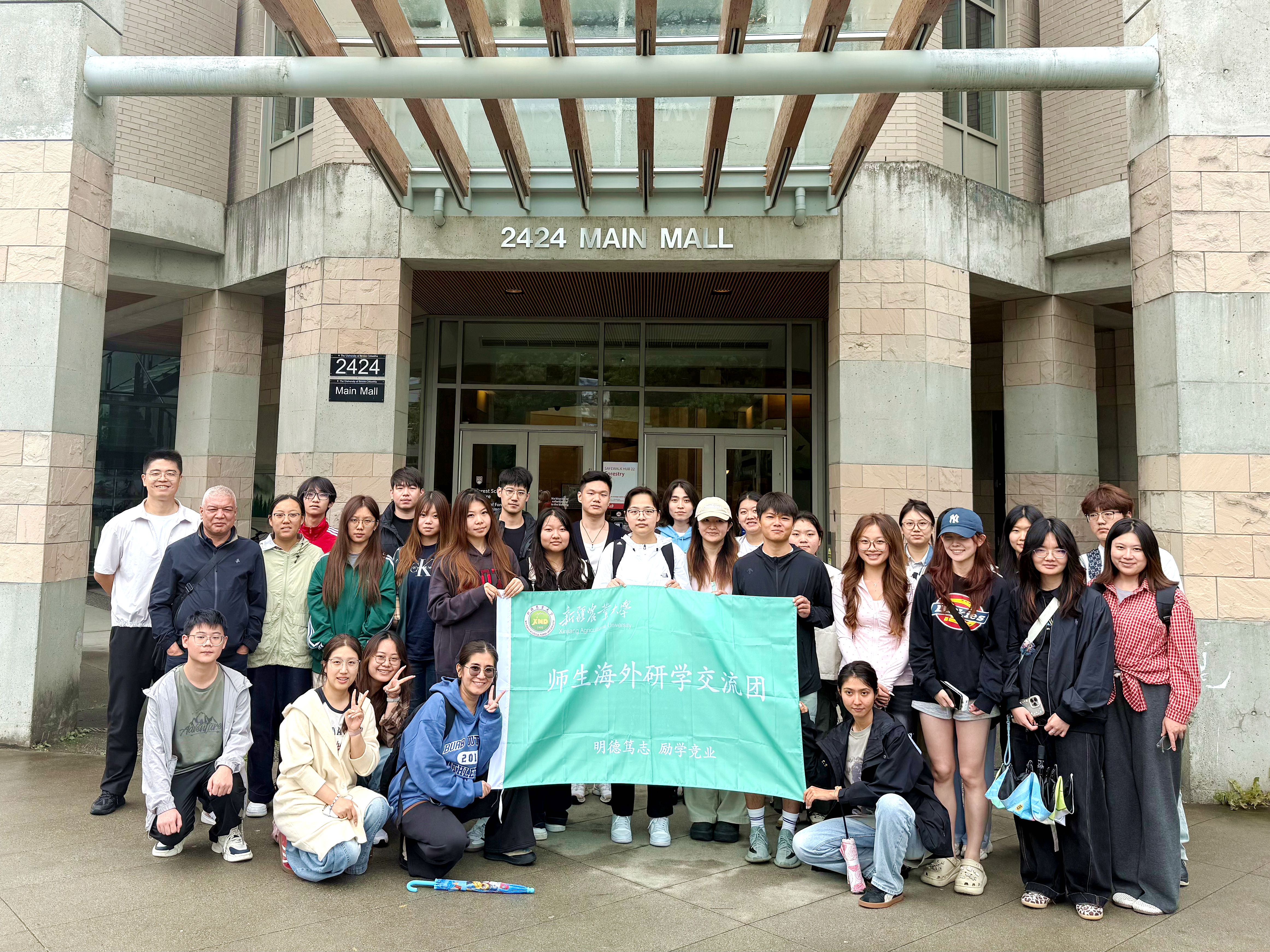
Students were divided into two classes based on their academic backgrounds, with instruction delivered entirely in English by a team led by Professors Nicholas Coops and Wang Guangyu.
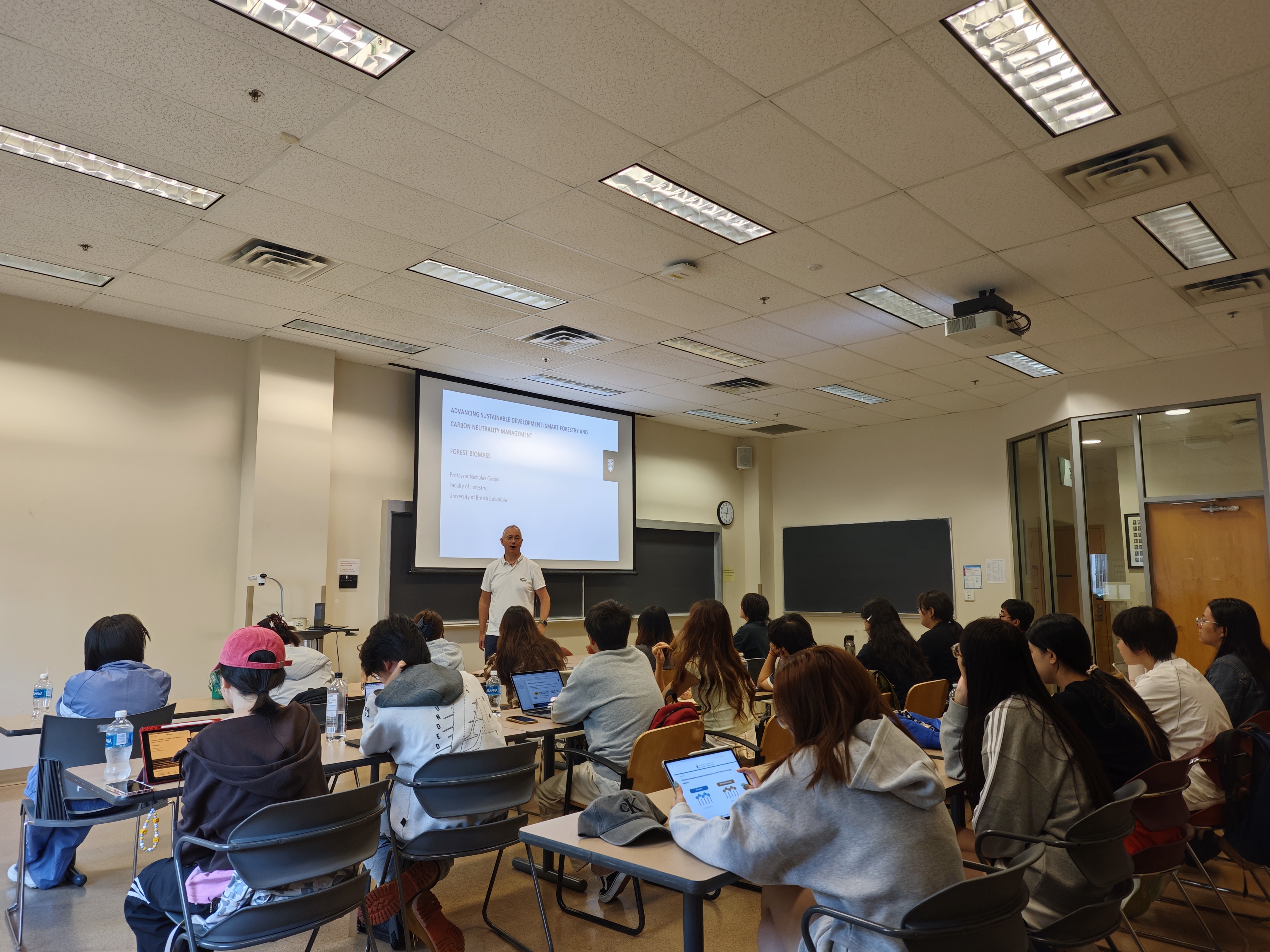
Course 1: Smart Forestry and Carbon Neutrality Management — covered climate change science, greenhouse gas reduction pathways, forest carbon measurement and modeling, smart forestry technologies, remote sensing and AI applications, and carbon markets.
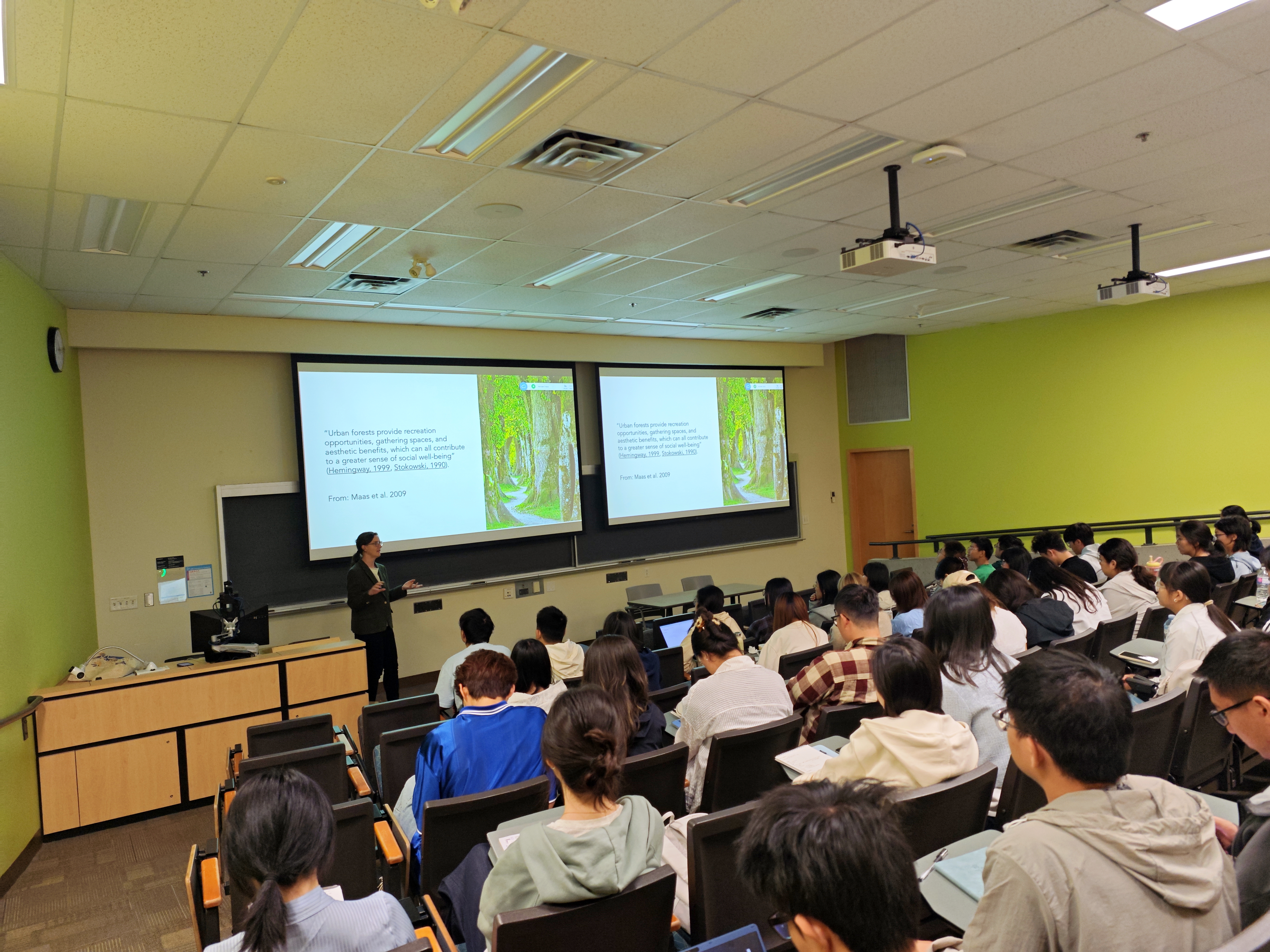
Course 2: AI Applications in Green Space and Public Health Management — covered AI and big data fundamentals, urban natural ecosystems, data-driven green space monitoring, street view image analysis, and large language model applications.
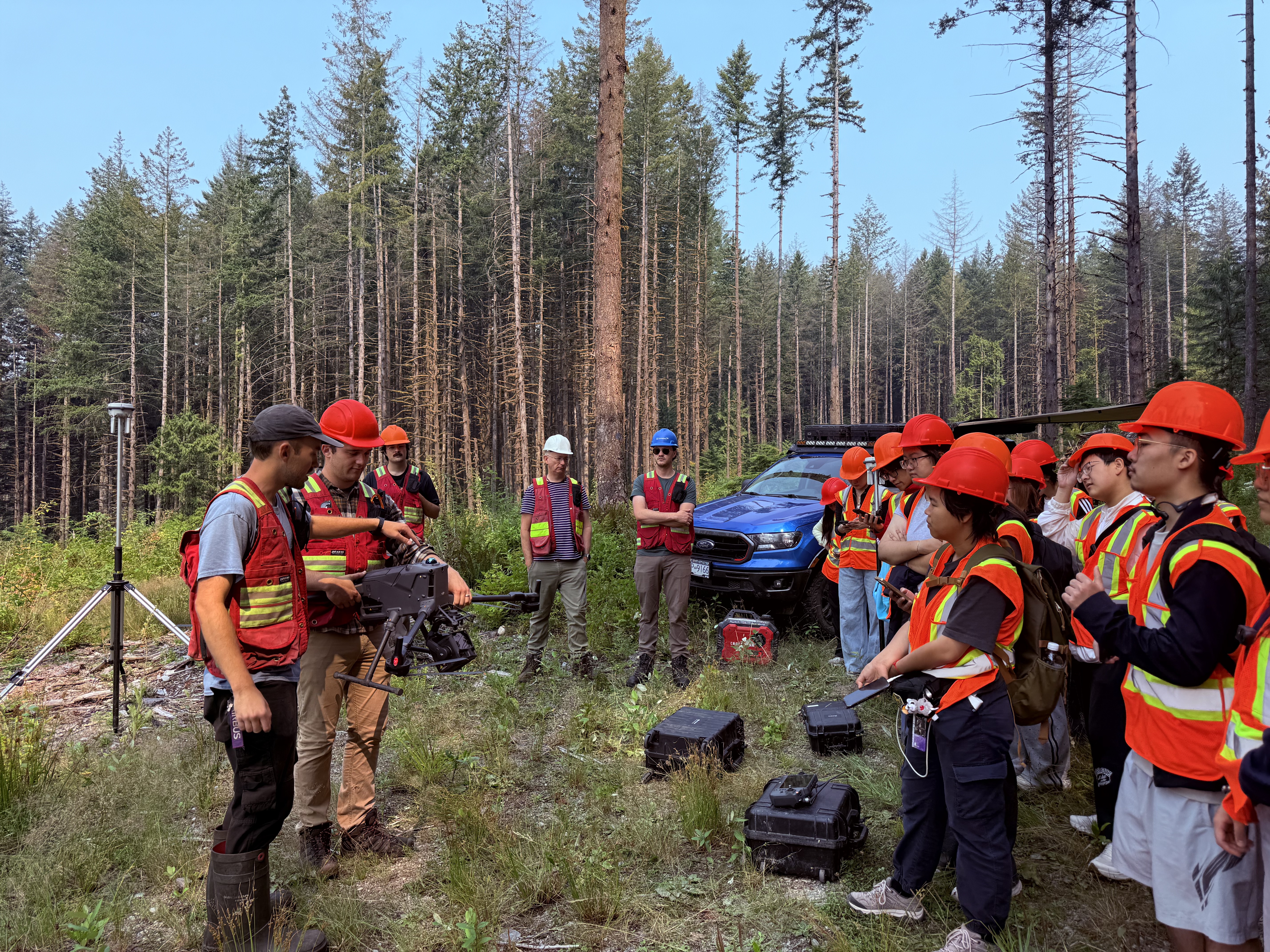
Beyond classroom lectures, students conducted field studies at UBC's Malcolm Knapp Research Forest, visiting technology-based carbon removal companies, Whistler Cheakamus Community Forest, Lighthouse Park, and Vancouver's urban green infrastructure. Weekend cultural visits included Stanley Park, Granville Island, and Whistler Village.
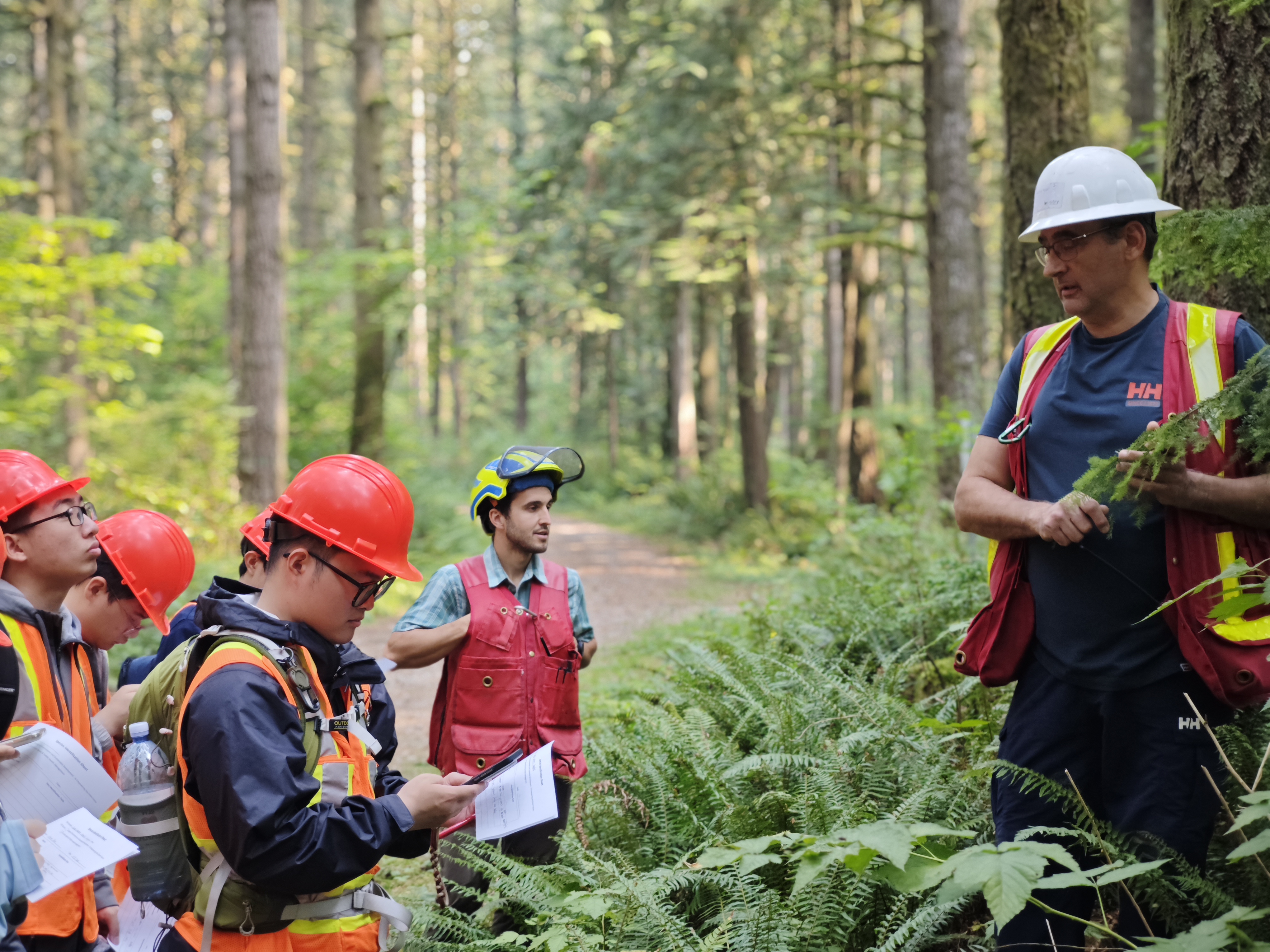
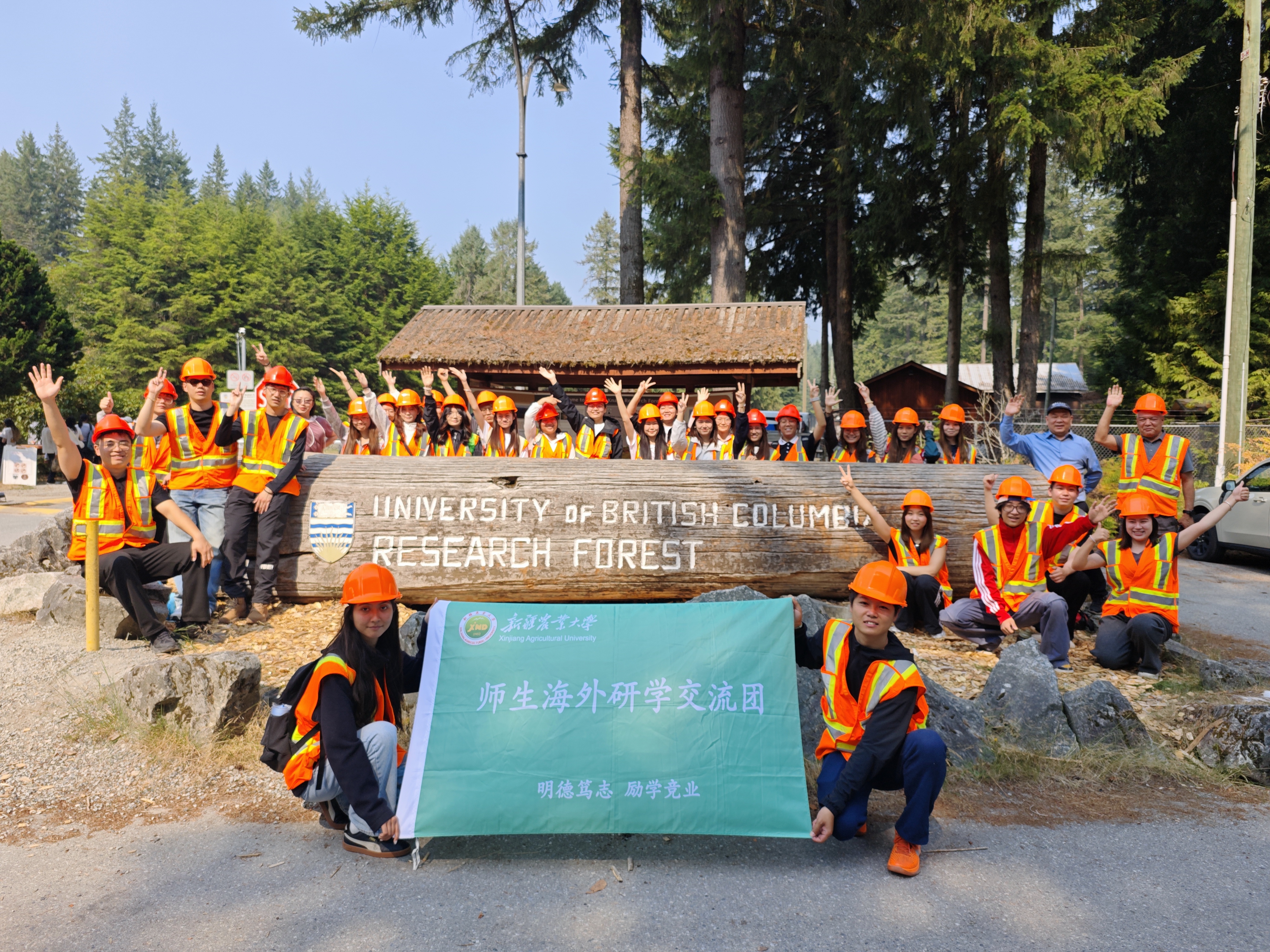
All 30 students successfully passed final assessments, delivering group project presentations on topics such as forest carbon sink modeling and AI-driven urban green space monitoring. All received certificates and transcripts from the FSI program.
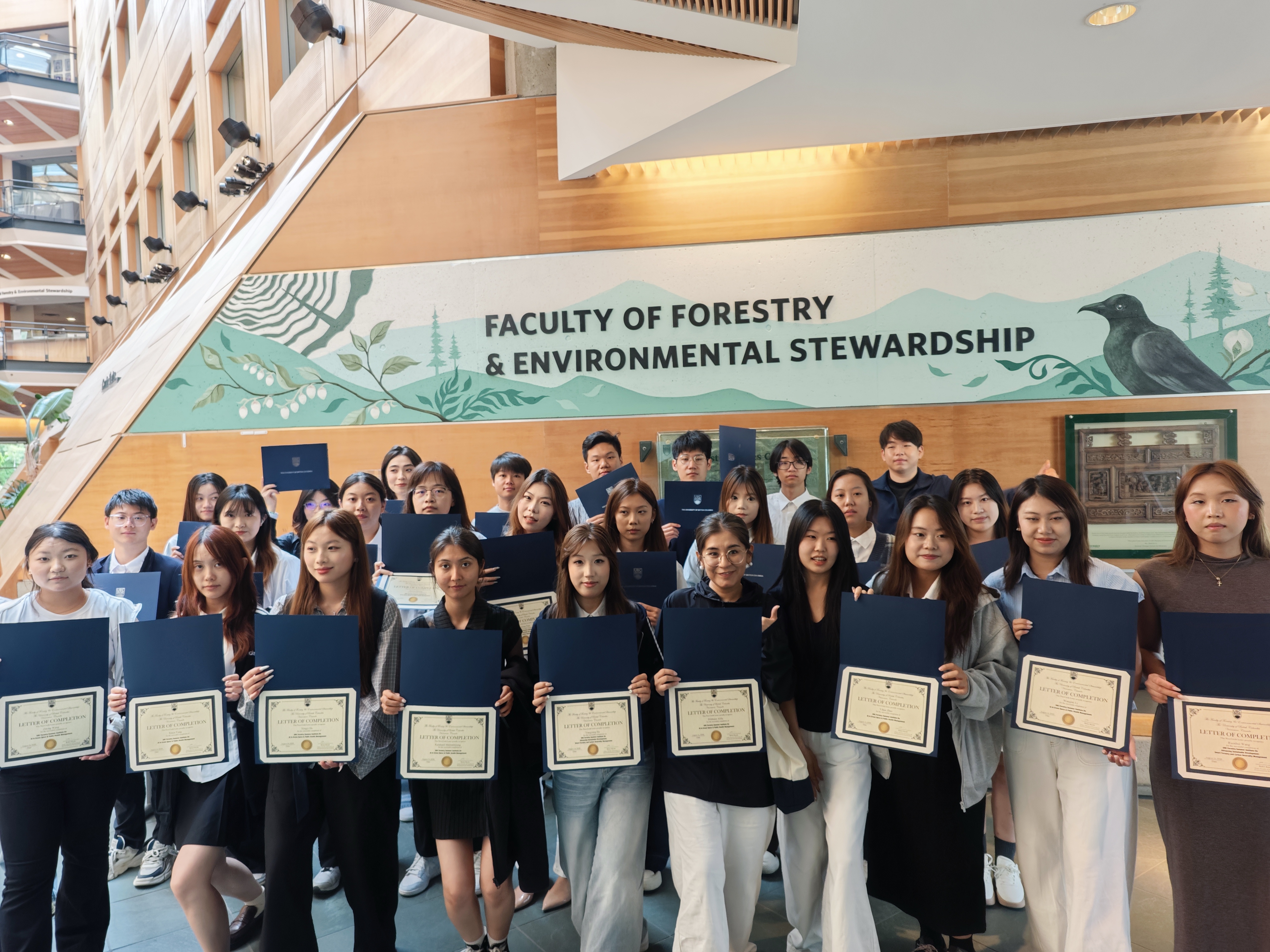
UBC, founded in 1908, is one of Canada's top public research universities. Its Faculty of Forestry and Environmental Science ranks 1st in Canada for Forestry and 15th globally for Environmental Science (QS 2026). The FSI is a flagship summer program offering Asia-Pacific students an immersive experience exploring how science, technology, and policy are shaping the future of forests, cities, and the green economy.
During the program, Xinjiang Agricultural University held in-depth discussions with UBC on undergraduate exchange, joint graduate training, faculty visits, and research cooperation, and officially signed an academic cooperation memorandum of understanding.
Looking ahead, the university will continue to expand international learning exchange channels, enabling more students to gain global exposure and develop into talents with broad vision and practical capabilities.